
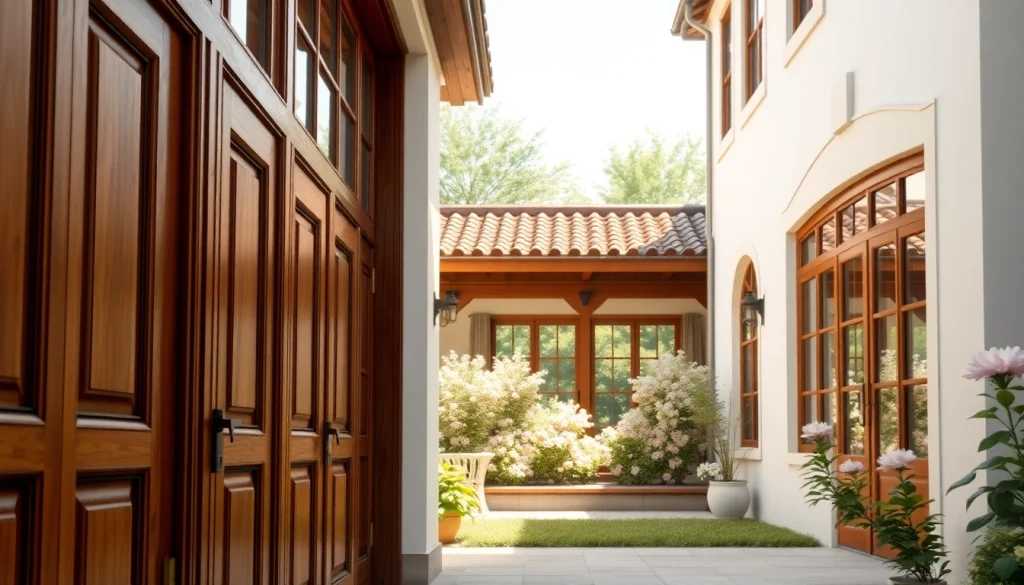
Understanding Historic Home Addition
Defining Historic Home Addition
A Historic Home Addition refers to the process of expanding a historic property while respecting its unique architectural details. This type of addition can enhance living space or functionality without compromising the historical significance of the original structure. Such projects often require an adherence to strict guidelines to maintain the property’s character and ensure compliance with local regulations.
When approaching a Historic Home Addition, it is vital to conduct thorough research into the history of the home, its architectural style, and the regulations governing modifications. Understanding these facets lays a strong foundation for a successful project that honors the past while accommodating modern needs.
Benefits of Adding to a Historic Home
One of the primary benefits of a Historic Home Addition is the opportunity to increase usable space without losing the home’s historical essence. Additional rooms can serve multiple purposes, such as creating a sunroom, adding a bedroom, or even expanding the kitchen. This expanded functionality aligns with contemporary living standards while boosting property value.
Moreover, thoughtfully designed additions that complement the original structure can enhance the overall aesthetic appeal of the home, creating a harmonious blend of old and new styles. Such enhancements not only preserve heritage but also invite modern luxury into historic living spaces.
Common Challenges in Historic Home Additions
Despite the numerous benefits, historic home additions come with their own set of challenges. One significant hurdle is navigating the historical preservation laws that govern many properties. Homeowners must work closely with local historical societies and potentially face restrictions on design and materials.
Another common challenge is ensuring that modern construction methods and materials blend seamlessly with historic ones, maintaining architectural integrity. Failure to do so can lead to a discordant look that detracts from the property’s charm and historical significance.
Architectural Styles for Historic Home Addition
Popular Architectural Styles
When planning a Historic Home Addition, considering architectural styles is crucial. Many historic homes are adorned with distinct characteristics reflective of the era they were built in, such as Victorian, Federal, or Craftsman styles. It is essential to identify and incorporate these features into the addition to preserve the historic narrative.
For example, a Victorian-era home might benefit from an addition that features ornate gables and intricate woodwork, while a Craftsman home could use exposed beams and built-in cabinetry. Aligning with these architectural styles ensures that the addition harmonizes with the existing structure rather than competing with it.
Integrating Modern Elements
While maintaining historical integrity is critical, integrating modern elements can also offer functionality and energy efficiency. For instance, large windows or open floor plans can enhance natural light and ventilation without disrupting the stylistic coherence of the original home.
Energy-efficient technologies, such as insulation, double-glazed windows, and sustainable materials, can be seamlessly integrated into historic designs, combining comfort with eco-friendliness. A well-crafted plan that combines these elements can accomplish both heritage preservation and contemporary livability.
Maintaining Historical Integrity
Maintaining the historical integrity of the home during an addition is fundamental. This requires meticulous attention to detail, utilizing similar materials and craftsmanship techniques that mirror the existing structure. A successful addition will reflect the historical narrative of the home, enhancing rather than overshadowing its unique character.
Engaging qualified professionals, such as architects familiar with historic preservation, is crucial to navigating this demanding process. These specialists can ensure that every aspect of the addition respects the past while enhancing the living experience.
Planning Your Historic Home Addition
Site Assessment and Analysis
Before embarking on a Historic Home Addition, conducting a thorough site assessment is vital. This includes analyzing the existing landscape, orientation, and micro-environment. Understanding these factors can influence design decisions and layout, optimizing exposure to natural light and creating a seamless flow between new and old spaces.
Additionally, site assessments can reveal potential challenges, such as drainage issues or zoning regulations, which need to be addressed early in the planning stage to avoid future complications.
Getting Necessary Permits
Obtaining the required permits is essential in the addition process. Local building codes, zoning laws, and historic preservation regulations will dictate what is permissible in a Historic Home Addition. Navigating this bureaucratic landscape can be daunting; therefore, proactive communication with local authorities and historical societies is critical.
Understanding what permits are necessary and securing them before commencing work can prevent legal complications and project delays, ensuring a smoother construction process.
Collaboration with Architects and Designers
Collaborating with architects and designers who specialize in historic preservation enhances the likelihood of a successful addition. Their expertise helps strike the balance between modern functionality and historical authenticity. These professionals can guide homeowners through design choices, materials selection, and compliance with local regulations.
This collaboration becomes critical during brainstorming sessions, where ideas are generated and refined into a cohesive vision that best satisfies the homeowner’s objectives while honoring the historical context of the property.
Building Techniques for Historic Home Addition
Choosing the Right Materials
Choosing the appropriate materials is essential for ensuring that a Historic Home Addition blends seamlessly with the original structure. Matching the existing materials—be it wood, brick, or stone—requires thorough research to replicate textures, colors, and finishes accurately.
Additionally, supplementing with modern, resilient materials that mimic traditional aesthetics yet offer improved durability is a practical approach. For instance, fiber cement siding can provide a similar look to wood while standing the test of time better.
Construction Best Practices
Employing best practices during construction ensures that the addition is both beautiful and structurally sound. This involves careful planning, adherence to preservation guidelines, and hiring skilled tradespeople knowledgeable about working with historic homes.
Proper sequencing of construction activities can help in managing resources effectively and mitigating disruptions to the existing structure. Furthermore, common challenges such as sourcing authentic materials should be anticipated, ensuring that replacements are available ahead of time to keep the project on track.
Sustainable Building Solutions
Incorporating sustainable building solutions in a Historic Home Addition can significantly reduce the environmental impact while improving energy efficiency. Historical homes can benefit from modern innovations such as green roofs, solar panels discreetly integrated into the design, and water-efficient landscaping.
By prioritizing sustainability, homeowners enhance their property’s value and contribute positively to the environment, making their historic home not only a place of heritage but also a model for modern living practices.
Maintenance and Preservation of Historic Home Addition
Routine Maintenance Tips
Maintaining a Historic Home Addition requires consistent attention to detail to ensure the architectural integrity and aesthetic of the property remains intact. Routine inspections of the addition for signs of wear, such as peeling paint or leaks, are crucial.
Creating a maintenance schedule that includes regular cleaning, painting, and repairs will ensure that both the addition and the original structure are preserved for future generations. Such diligence safeguards the investment made in expanding the home.
Preservation Techniques
Preservation techniques for a Historic Home Addition revolve around respect for the original structure while employing practices to protect and prolong its life. This can include regular documentation of the home’s history, selecting the right cleaning agents that do not damage surfaces, and using breathable paints that allow the building to “breathe.”
Additionally, regular maintenance of surrounding landscaping not only adds aesthetic value but also prevents moisture issues that can arise from overgrown vegetation against the home’s foundation.
Restoration vs. Renovation
Understanding the difference between restoration and renovation is vital in maintaining a historic property. Restoration aims to return the home to its original state as accurately as possible, often relying on historical research and authentic materials.
In contrast, renovation involves modifying the home to improve its functionality or aesthetics, which may not adhere strictly to historical accuracy. Deciding which approach to take depends on the goals of the homeowner and the specific needs of the property, often necessitating thoughtful discussion with preservation specialists.
FAQs About Historic Home Addition
What is a Historic Home Addition?
A Historic Home Addition refers to expanding a historic property while maintaining its architectural integrity and respect for the original structure’s historical significance.
Why should I consider adding to my historic home?
Adding to a historic home can increase functional space, enhance property value, and preserve the historical character while modernizing living conditions.
What are the common challenges associated with historic home additions?
Challenges may include navigating local preservation laws, ensuring design continuity with the original structure, and sourcing materials that are historically appropriate.
How do I choose the right architectural style for my addition?
Identify the existing home’s architectural style and select designs that complement its characteristics, ensuring historical details are respected and preserved.
What maintenance practices are best for a historic home addition?
Regular inspections, routine cleaning, timely repairs, and using non-damaging materials are essential for preserving both the addition and the original structure.