Understanding Network Infrastructure and Its Importance
In the digital age, where the speed of information transfer and connectivity are paramount, understanding network infrastructure becomes crucial for businesses and organizations. This vital component serves as the backbone for communication systems, enabling everything from email exchanges to complex enterprise applications. But what exactly constitutes network infrastructure, and why is it so significant?
Defining Network Infrastructure
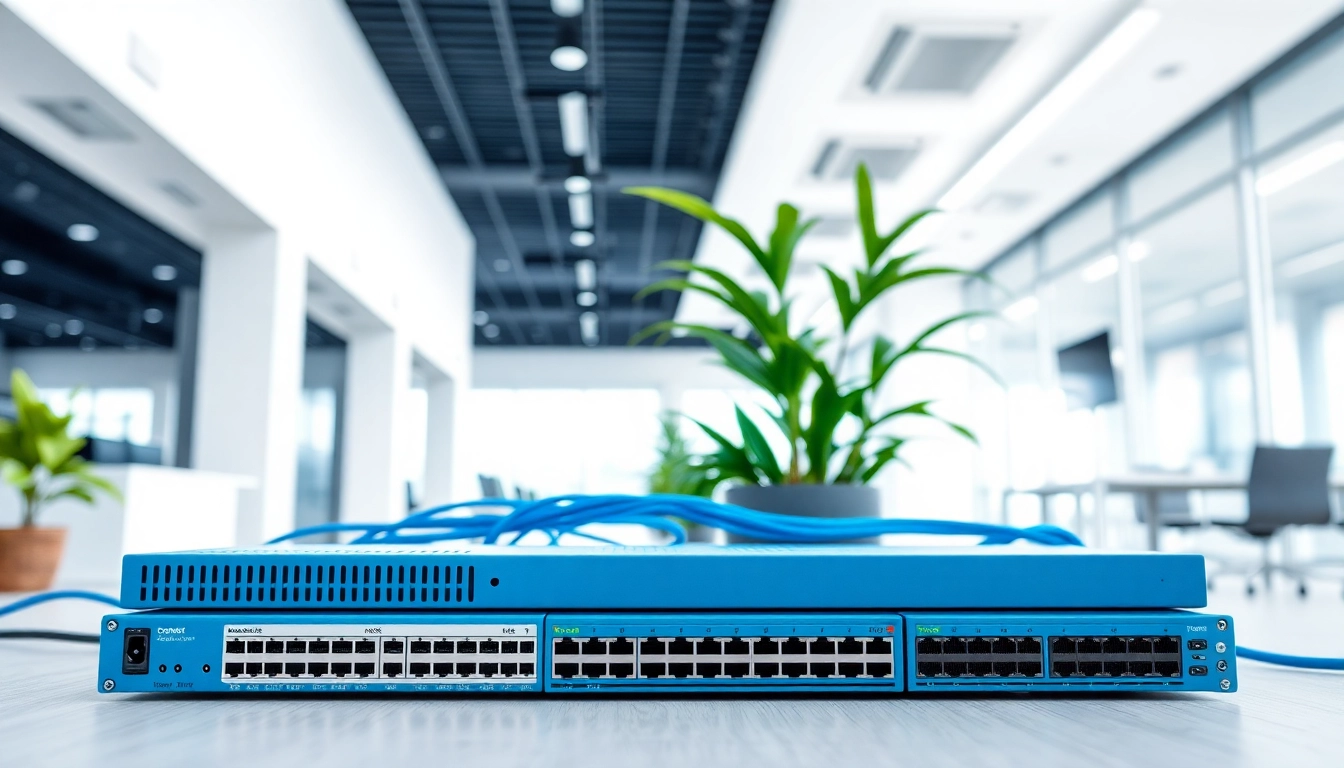
Network infrastructure refers to the combined hardware and software components that facilitate connectivity, communication, operational management, and security within a network. It encompasses physical devices like routers, switches, and servers, as well as software solutions that manage and secure these devices. Essentially, network infrastructure enables users to share resources and perform critical functions efficiently.
The Role of Network Infrastructure in Digital Communication
Network infrastructure plays a critical role in digital communication by connecting various devices, systems, and users to facilitate the seamless exchange of data. It supports a range of applications, from simple browsing to complex cloud solutions that involve multiple data centers. As organizations grow, their reliance on effective network infrastructure becomes more pronounced, making it essential for operational success.
Key Benefits of a Robust Network Infrastructure
A well-structured network infrastructure provides numerous benefits that enhance organizational efficacy:
- Improved Performance: With the right setup, network speeds increase, reducing latency and enhancing user experience.
- Increased Reliability: A robust infrastructure ensures consistent availability, minimizing downtime and its associated costs.
- Scalability: Businesses can easily scale operations by adding new devices and users without significant overhauls.
- Enhanced Security: Properly integrated security protocols within the network infrastructure reduce vulnerability to attacks.
Core Components of Network Infrastructure
Hardware Essentials for Network Infrastructure
The hardware aspect of network infrastructure includes all the physical devices required for connectivity:
- Routers: These devices route data between different networks and ensure that it flows efficiently.
- Switches: Used within local networks, switches connect devices to share info effectively.
- Access Points: These expand wireless networks, allowing multiple devices to connect seamlessly.
- Network Cables: Essential for physical connections, cables transmit data between devices.
- Firewalls: Security devices that monitor incoming and outgoing traffic, helping to protect against threats.
Networking Software Overview
Networking software includes tools and protocols that manage network resources. Key components include:
- Network Operating Systems: These systems manage hardware within the network, ensuring devices communicate effectively.
- Security Software: Applications that detect and mitigate threats, ensuring data integrity and privacy.
- Monitoring Tools: Software that provides visibility into network performance, helping administrators troubleshoot issues.
- Configuration Management Tools: These enable the automatic management of network device configurations for scalability and security.
Integrating Cloud Solutions into Network Infrastructure
The shift towards cloud computing introduces new dimensions to network infrastructure. Businesses can leverage cloud services for storage, application hosting, and processing power, which in turn requires a robust network to manage data flow effectively. Factors to consider include:
- Bandwidth Requirements: Increased use of cloud solutions necessitates greater bandwidth to accommodate higher data transfer loads.
- Latency Considerations: Proximity to cloud service providers can impact user experience; thus, organizations should strategically place their infrastructure.
- Redundancy and Failover Solutions: Ensuring that connections to cloud services remain available even during outages is critical for operational continuity.
Common Challenges in Network Infrastructure Management
Identifying Bottlenecks and Performance Issues
As networks evolve, they often experience bottlenecks that affect performance. Identifying these points requires proactive monitoring and analysis of traffic patterns. Solutions may include:
- Utilization of monitoring tools to visualize traffic flow.
- Regularly analyzing performance metrics to identify underperforming areas.
- Implementing quality-of-service (QoS) protocols to prioritize critical traffic.
Security Risks in Network Infrastructure
The complexity of modern networks introduces various security threats, including malware attacks and data breaches. Mitigating these risks involves:
- Implementing a multi-layered security approach that includes firewalls, intrusion detection systems (IDS), and encryption.
- Regularly updating security protocols and software to protect against emerging threats.
- Conducting security audits to identify vulnerabilities in the existing framework.
Managing Scalability in Network Infrastructure
As organizations grow, their network infrastructure must be able to scale accordingly. This involves planning for increased network traffic and the addition of new devices. Best practices include:
- Designing a flexible architecture that allows for easy expansion of network resources.
- Utilizing virtualization technologies to maximize existing hardware resources.
- Establishing robust monitoring systems to forecast demand and adjust resources proactively.
Best Practices for Optimizing Network Infrastructure
Regular Maintenance and Upgrades
To ensure optimal performance, regular maintenance is vital. This includes hardware checks, software updates, and security evaluations. Creating a maintenance schedule can help prevent unexpected failures and maintain high-performance levels.
Implementing Security Protocols
Adopting comprehensive security protocols safeguards the network from both external and internal threats. This can include:
- Establishing clear user access controls to limit sensitive data exposure.
- Utilizing encryption protocols for data in transit and at rest.
- Conducting regular training for employees on best security practices.
Monitoring Network Performance Effectively
Proactive monitoring enables organizations to respond quickly to performance issues. Key components of an effective monitoring strategy include:
- Establishing key performance indicators (KPIs) to measure success.
- Utilizing real-time monitoring tools that provide alerts on potential issues.
- Conducting regular reviews of performance data to identify trends and areas for improvement.
The Future of Network Infrastructure
Emerging Technologies Shaping Network Infrastructure
The landscape of network infrastructure is constantly evolving, driven by new technologies such as 5G, artificial intelligence (AI), and machine learning. These advancements promise to enhance connectivity, speed, and the overall efficiency of networks. Organizations must stay informed about these technologies to leverage their benefits effectively.
The Impact of IoT on Network Infrastructure
The Internet of Things (IoT) introduces millions of devices connected to networks, significantly impacting network infrastructure requirements. Companies need to consider:
- Increased data traffic from connected devices that requires additional bandwidth.
- Enhanced security measures to manage the vulnerabilities that come with a larger attack surface.
- Strategies for integrating IoT data into existing systems for actionable insights.
Preparing for the Next Wave of Network Transformation
To thrive in the future, organizations must embrace a culture of continuous improvement and adaptation. This includes investing in future-proof technologies, training staff on new systems, and being open to evolving networking solutions that enhance business processes.