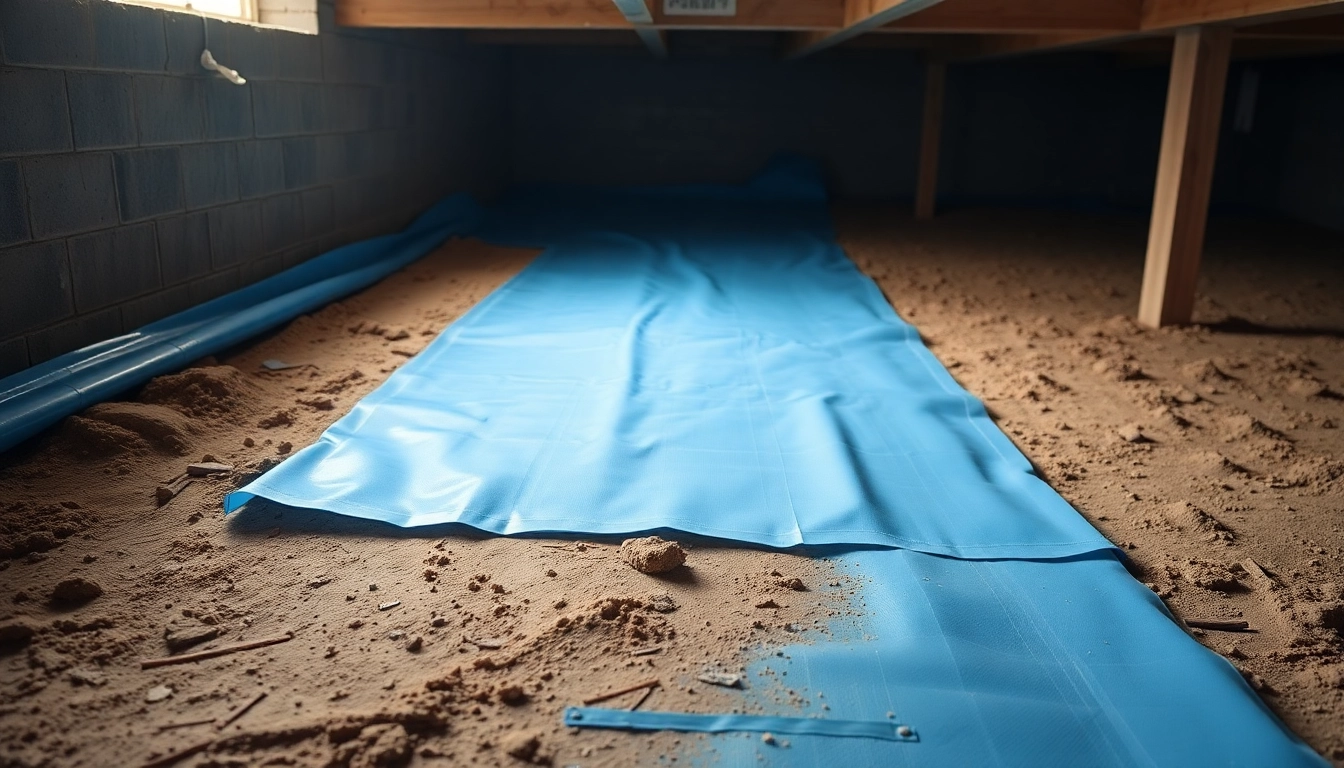
Understanding Vapor Barrier Installation
What is Vapor Barrier Installation?
Vapor barrier installation refers to the process of placing a material that prevents moisture from moving into the interior of a building, particularly in spaces like basements and crawlspaces. This barrier is crucial in controlling humidity levels, preserving structural integrity, and enhancing the overall comfort of a home. The materials are usually plastic or foil, strategically installed to create an impermeable layer against vapor, thus protecting a home from mold, mildew, and other moisture-related issues. Proper Vapor Barrier Installation is a critical step in home maintenance and energy efficiency.
Importance of Vapor Barrier Installation in Homes
The importance of vapor barrier installation in homes cannot be overstated. With rising concerns about humidity, air quality, and energy efficiency, vapor barriers play a vital role in maintaining a safe and peaceful living environment. Their main benefits include:
- Mold and Mildew Prevention: By controlling moisture levels, vapor barriers help to prevent the growth of mold and mildew.
- Energy Efficiency: Effective vapor barriers reduce energy costs by minimizing the load on heating and cooling systems, creating a stable indoor climate.
- Protection of Structural Elements: Dampness can lead to wood rot and corrosion of metal parts; a vapor barrier helps to preserve these materials.
- Improved Indoor Air Quality: Preventing moisture buildup leads to better air quality inside the home, contributing to residents' overall health and well-being.
Common Myths About Vapor Barrier Installation
There's a plethora of misinformation circulating about vapor barrier installation. Let’s clarify some of the widely held myths:
- Myth 1: All homes need vapor barriers. While many do, the necessity depends on climate, soil type, and construction design.
- Myth 2: A vapor barrier can cause mold. A properly installed vapor barrier should not cause mold; it prevents moisture ingress.
- Myth 3: Once installed, vapor barriers never need maintenance. Regular inspections are essential for performance longevity.
Essential Materials for Vapor Barrier Installation
Types of Materials Used
When selecting materials for vapor barrier installation, various options are available, primarily characterized by thickness and permeability:
- Polyethylene Sheeting: The most common material, ranging from 6 to 20 mil thick.
- Foil Vapor Barriers: Excellent for reflective insulation, used primarily in attics.
- Liquid Membranes: These provide a continuous barrier when sprayed or rolled onto surfaces.
Choosing the Right Vapor Barrier Material
The choice of vapor barrier material depends on various factors including climate conditions, the area of installation, and the level of moisture in the environment. For instance:
- In humid climates, thicker polyethylene sheeting is advisable to combat higher moisture levels.
- In colder regions, a foil barrier might be better suited to minimize heat loss while providing vapor resistance.
Cost Considerations for Materials
Cost is a key factor in deciding the materials for vapor barrier installation. Basic polyethylene sheeting can range from $0.10 to $0.20 per square foot, while specialty materials like liquid membranes can be considerably higher. Considerations include:
- Area size to be covered
- Desired thickness and type of material
- Long-term durability and maintenance costs
Step-by-Step Guide for Vapor Barrier Installation
Pre-Installation Preparations
Before commencing the installation, proper preparations are crucial:
- Inspect the Area: Check for existing moisture issues, leaks, and structural integrity.
- Clean the Surface: Clear the installation area of debris, sharp objects, and any existing damp materials.
- Measure and Plan: Measure dimensions accurately to determine how much material is needed.
Detailed Installation Process
The installation process includes several critical steps:
- Lay Out the Material: Roll out the vapor barrier across the surface, ensuring it overlaps at seams by at least 12 inches.
- Secure the Barriers: Use construction adhesive or tape specifically designed for vapor barriers to secure the edges and seams.
- Seal the Edges: Ensure all edges are sealed tightly to eliminate any gaps where moisture could enter.
- Inspect for Gaps: Conduct a thorough inspection to ensure there are no punctures or unsealed areas.
Post-Installation Best Practices
After the installation, follow these best practices to ensure the longevity and effectiveness of the vapor barrier:
- Regular Inspections: Conduct periodic checks for damage or wear.
- Maintain Drainage Systems: Ensure the area around the installation is properly drained to prevent pooling.
Common Challenges During Vapor Barrier Installation
Identifying Potential Issues
While installing a vapor barrier, several challenges may arise:
- Punctures in the material caused by sharp objects or rough surfaces.
- Improper sealing of seams leading to moisture ingress.
- Environmental conditions that can impact the installation process, such as humidity or rain.
How to Overcome Installation Obstacles
To overcome these challenges, consider the following:
- Always inspect the working area for potential hazards.
- Use protective gear like knee pads or gloves to minimize injury.
- Choose a dry day for installation to reduce the risk of moisture contamination.
Safety Tips for DIY Installers
For those attempting to install vapor barriers themselves, remember these safety tips:
- Wear a mask if working in dusty or moldy environments.
- Ensure proper ventilation during the application of construction adhesives.
- Follow manufacturer guidelines for all materials used.
Maintaining Your Vapor Barrier Installation
Regular Inspections and Maintenance Steps
Regular maintenance of your vapor barrier is essential for its longevity and performance:
- Inspect annually for signs of damage or wear.
- Check for moisture, mold, or condensation near the barrier.
- Ensure that external drainage systems are functioning properly to prevent water pooling.
Signs of a Failing Vapor Barrier
Recognizing the signs that your vapor barrier is no longer effective is crucial:
- Increased humidity levels in the home despite a functioning HVAC system.
- Mold or mildew growth on the walls or flooring.
- Visible tears or holes in the vapor barrier material.
When to Call a Professional
If you encounter persistent issues or signs of a failing vapor barrier, it may be time to consult a professional. Situations that warrant professional help include:
- Severe mold growth needing remediation.
- Extensive water damage present.
- Insufficient skills or tools to effectively address the problem.
Frequently Asked Questions (FAQs)
1. What is a vapor barrier?
A vapor barrier is a material that prevents moisture from passing into the home, protecting against mold and structural damage.
2. Where should I install a vapor barrier?
Vapor barriers are typically installed in basements and crawlspaces but can also be used in walls and attics in some climates.
3. Can I install a vapor barrier myself?
Yes, it's a DIY-friendly project, but it's crucial to follow proper guidelines to ensure effectiveness.
4. How often should I check my vapor barrier?
It is advisable to inspect your vapor barrier at least once a year or after heavy rain.
5. What are the consequences of not having a vapor barrier?
Lack of a vapor barrier can lead to high humidity levels, mold growth, and damage to wooden structures.