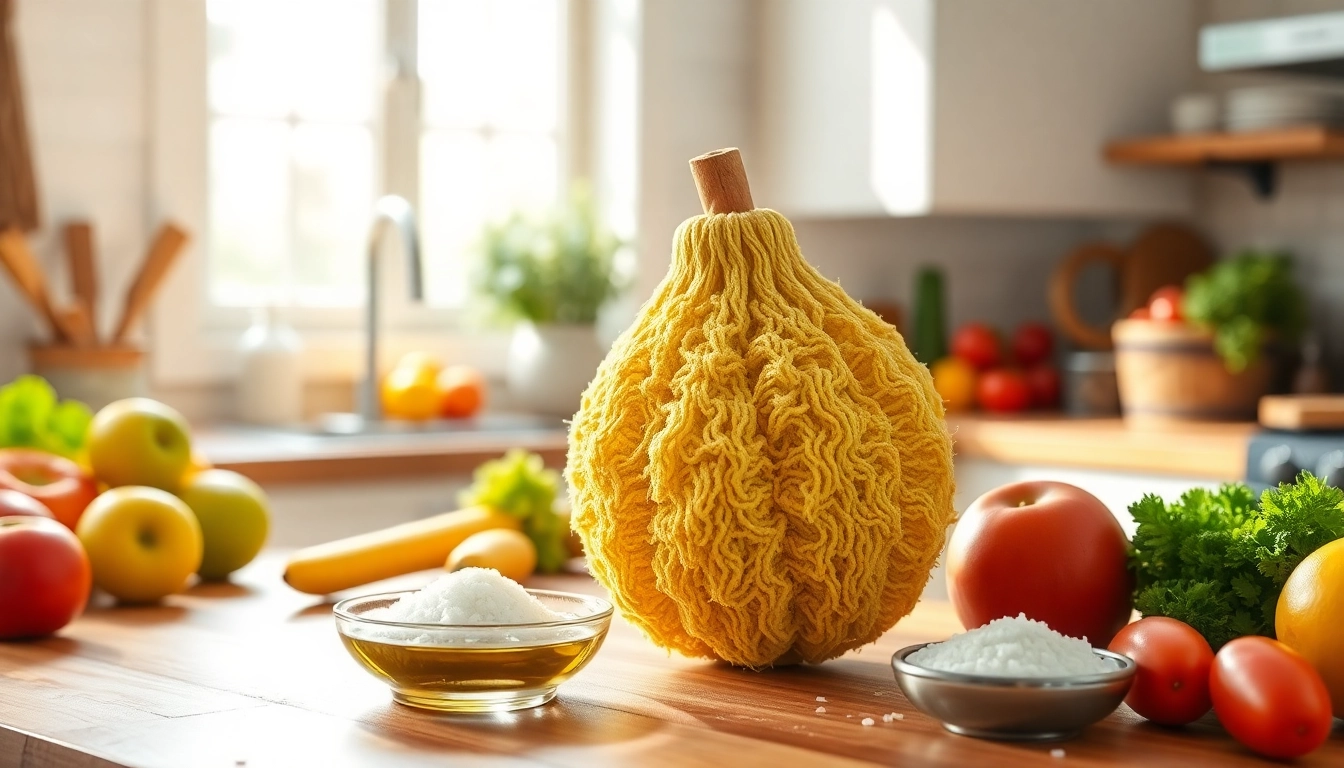
Understanding Kitchen Loofah
What is Kitchen Loofah?
The kitchen loofah, often simply referred to as loofah, is a natural sponge derived from the fibrous interior of the loofah plant, scientifically known as Luffa aegyptiaca or Luffa cylindrica. Unlike synthetic sponges, kitchen loofahs are biodegradable, energy-efficient, and viable alternatives for cleaning and scrubbing tasks within the kitchen environment. Known for their scrubbing capabilities, these sponges have gained popularity not just as cleaning tools, but also as eco-friendly household products. When properly cared for, a kitchen loofah can be an effective and sustainable solution for everyday cleaning needs.
The Origin and Harvesting Process
The history of kitchen loofahs can be traced back thousands of years to regions in Africa and Asia, where their use for bathing and cleaning was prevalent. Today, loofahs are cultivated in many tropical and subtropical countries. The harvesting process begins when the fruit matures on the vine. Once the fruit has dried fully, it is peeled to reveal the fibrous mesh within, which is then cleaned and cut into sponge-like shapes that we recognize today. This natural sponge is not only versatile but also exhibits a unique texture that makes it perfect for a variety of household uses.
Nutritional and Environmental Benefits
The environmental benefits of kitchen loofahs are significant. Being 100% biodegradable, they break down naturally when disposed of, reducing plastic waste significantly—a crucial factor in today’s environmentally conscious world. Nutritionally, while people often think of loofahs solely as cleaning tools, they are made from a plant that can be eaten when harvested young; however, stronger fibers develop as the fruit matures, making them better suited for scrubbing. Additionally, due to their plant-based origin, kitchen loofahs are free from harmful chemicals often found in synthetic sponges.
Why Choose Kitchen Loofah?
Advantages Over Synthetic Sponges
When comparing kitchen loofah to synthetic sponges, the advantages are quite convincing. Kitchen loofahs are more effective at scrubbing without scratching surfaces, making them ideal for pots, pans, and even delicate items. They harbor fewer bacteria due to their natural drying properties, whereas synthetics often retain moisture and encourage bacterial growth. Moreover, using a kitchen loofah supports sustainable practices, as it encourages the use of a product that is both renewable and compostable, promoting a greener lifestyle.
Biodegradable Properties Explained
The biodegradable nature of kitchen loofahs goes hand-in-hand with their sustainable appeal. Unlike synthetic sponges, which may take hundreds of years to decompose, kitchen loofahs will fully break down in a matter of months. This property means they can be safely composted after use, contributing to soil health rather than adding to landfill waste. Their natural fibers also enrich the compost, facilitating healthier plant growth.
Health Benefits for Your Skin
Using a kitchen loofah can extend beyond cleaning kitchenware; it can also provide significant benefits for personal care. When used gently on the skin, loofahs can exfoliate dead skin cells, helping to reveal fresh, youthful skin underneath. This exfoliation can promote better blood circulation and may even assist in unblocking pores and preventing acne. However, it is important to use kitchen loofahs properly, ensuring they are replaced regularly to maintain hygiene and prevent any skin irritation from worn-out fibers.
How to Incorporate Kitchen Loofah
Cleaning and Cooking Applications
The versatility of kitchen loofahs makes them an excellent addition to your cleaning arsenal. These sponges are perfect for washing fruits and vegetables, providing a natural means of removing dirt without chemical residues. Furthermore, they can be utilized to scrub surfaces, from countertops to stove tops and dishes, due to their sturdy yet gentle nature. By incorporating kitchen loofahs into your daily cleaning tasks, you’ll enjoy a cleaner environment while contributing to a more sustainable household.
Crafting Kitchen Composting Recipes
Clever usage of kitchen loofahs extends to culinary creativity, particularly in the realm of composting. When your loofah has reached the end of its usability in the kitchen, you can chop it up and add it to your compost bin. Its fibrous structure decomposes easily, enriching the compost mix and providing nutrients for future planting endeavors. Additionally, you can create DIY composters with loofah remnants, integrating them into natural fertilizer mixtures that improve the quality of your soil.
Best Practices for Usage and Storage
To extend the life of your kitchen loofah, proper usage and storage are essential. After each use, rinse it thoroughly with hot water and allow it to dry completely to prevent bacterial growth. Store the dry loofah in a well-ventilated area, away from direct sunlight. It’s also key to replace your kitchen loofah every few weeks, depending on use, to maintain optimal freshness and effectiveness. By following these best practices, you’ll not only prolong your sponge’s life but also ensure a health-conscious kitchen.
Frequently Asked Questions About Kitchen Loofah
What is the best way to clean a kitchen loofah?
The best way to clean a kitchen loofah is to rinse it thoroughly after each use, then soak it in a mixture of warm water and vinegar or baking soda. This helps to kill bacteria and eliminate odors. Allow it to dry completely after washing.
Can kitchen loofahs be used for exfoliating skin?
Yes, kitchen loofahs can effectively exfoliate the skin when used gently. They help remove dead skin cells and improve circulation. However, it's important to ensure they are clean and in good condition to avoid irritation.
How long does a kitchen loofah last?
A kitchen loofah generally lasts about 3 to 4 weeks with regular use. However, factors such as how often you use it and how well you care for it can affect its lifespan. Regular inspection for wear and tear is crucial.
Care and Maintenance of Kitchen Loofah
Proper Washing Techniques Explained
Proper washing techniques for kitchen loofahs include rinsing them thoroughly after each use and allowing them to air dry completely. It’s beneficial to occasionally soak them in a solution of vinegar and water to sanitize them. This practice not only enhances cleanliness but also prolongs their lifespan.
Signs of Wear and When to Replace
Signs that it’s time to replace your kitchen loofah include fraying or breaking fibers, a persistent odor despite cleaning, or visible mold growth. Regularly inspecting your loofah ensures you maintain hygiene in your kitchen and reap the full benefits of usage.
Eco-Friendly Disposal Methods
When disposing of a kitchen loofah, consider composting it instead of throwing it in the trash. Due to its natural fibers, it will break down and enrich the compost mix, contributing positively to the environment. Ensure the loofah is completely dried and free of any non-biodegradable elements before adding it to your compost heap.