
A Guide to Planning Your Perfect Cape Cod Home Addition
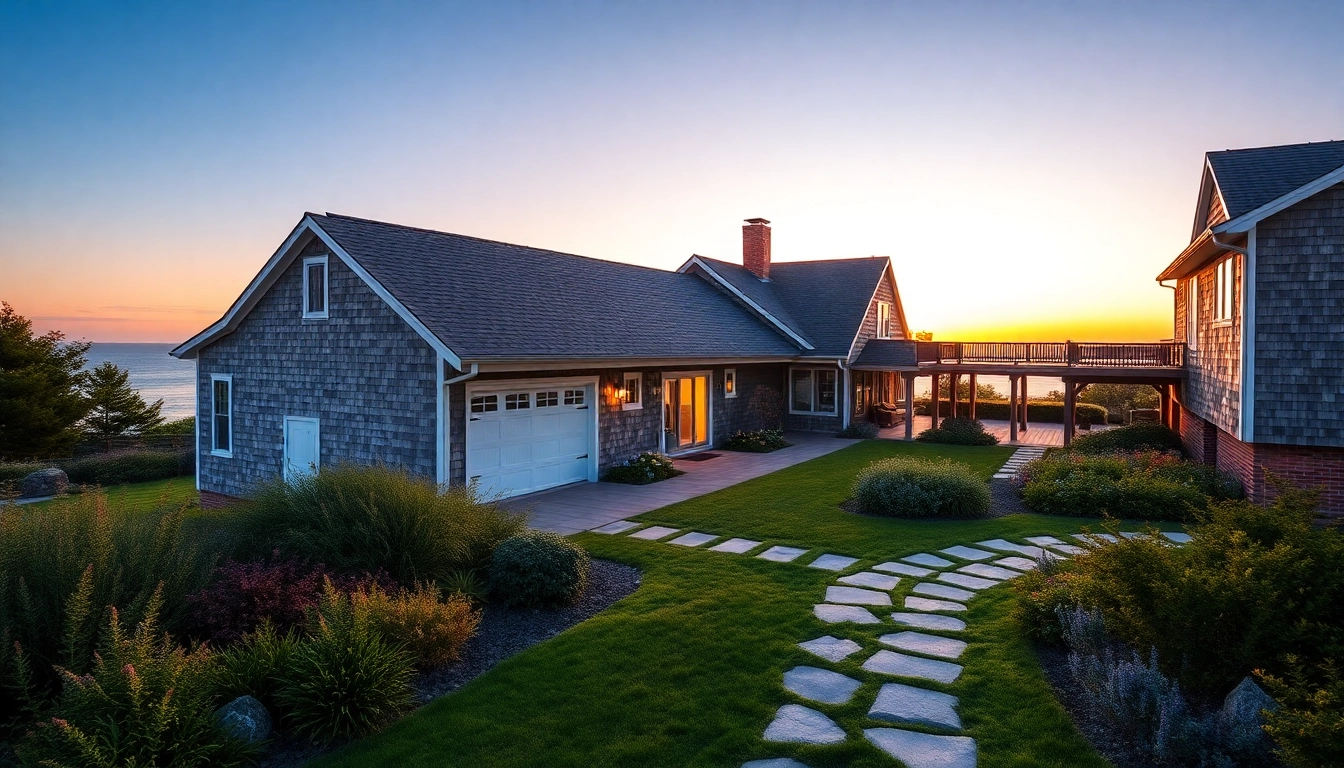
Understanding the Cape Cod Home Addition Concept
What is a Cape Cod Home Addition?
A cape cod home addition typically refers to a structural extension or modification to a traditional Cape Cod-style home. These homes are distinguished by their steep roofs, symmetrical shapes, and dormer windows, often evoking a charming, classic New England aesthetic. An addition can serve various purposes, prioritizing both the enhanced living space and retaining the home’s characteristic architectural style.
The Benefits of Adding an Attached Garage
Incorporating an attached garage with your Cape Cod home addition offers multiple advantages. Firstly, it provides direct access to your home, enhancing convenience, particularly during inclement weather. Secondly, it increases the overall property value, as potential buyers often see attached garages as desirable features. An attached garage also allows for additional storage space and can serve as a workshop or hobby area, enhancing the functional aspects of your home.
Designing for Functionality and Aesthetics
The design of your Cape Cod home addition should seamlessly blend with the existing architecture. This includes maintaining the traditional roofing materials, window styles, and exterior color palette. Functionality is equally important; consider the layout and flow between the new and existing spaces to ensure that the addition feels cohesive. Thoughtful placement of windows will optimize natural light, making the new space welcoming while staying true to Cape Cod’s charm.
Key Considerations Before You Begin
Assessing Your Current Space
Before embarking on a Cape Cod home addition, it’s vital to assess your current space. Evaluate the layout and identify areas that could be improved or expanded. Think about how your family uses the space: do you need additional bedrooms, a larger kitchen, or a dedicated work-from-home area? Consulting with an architect might reveal opportunities you haven’t considered, ensuring your addition optimally utilizes the existing space.
Understanding Local Regulations
Each locality has its own building codes and zoning regulations that dictate what can be built, where, and how. Before proceeding with your Cape Cod home addition, research these local regulations or consult with a builder familiar with regional requirements. Compliance is crucial to avoid fines or project delays. Submit necessary permits well in advance, as processing times can vary significantly and affect your project timeline.
Budgeting for Your Project
Establishing a clear budget is paramount to a successful home addition. Begin by obtaining quotes from contractors and material suppliers to understand the potential costs involved. Remember to account for unexpected expenses, typically recommended to be around 10-20% of the total budget. Materials, labor, permits, and design fees should all be included. A well-prepared budget not only helps manage expectations but also ensures that your vision for the addition can be fully realized.
Designing Your Cape Cod Home Addition
Choosing the Right Materials
The materials you choose for your Cape Cod home addition are crucial for achieving a harmonious look and ensuring longevity. Opt for materials that mirror the existing structure, such as clapboard siding, cedar shingles, and wood accents to maintain a cohesive aesthetic. Moreover, consider the climate when selecting roofing and insulating materials, ensuring that they meet local weather demands while providing durability.
Maximizing Natural Light
Natural light is a hallmark of Cape Cod homes, creating not only an inviting atmosphere but also enhancing energy efficiency. Incorporate large windows, skylights, or even glass doors in your design to enable ample daylight. Pay special attention to the orientation of your addition; positioning windows to maximize sunlight throughout the day while considering privacy and views contributes significantly to the overall quality of the new space.
Incorporating Sustainable Practices
Building sustainably is increasingly important, and your Cape Cod home addition offers the perfect opportunity. Using recycled or locally sourced materials supports environmental conservation and can lower your carbon footprint. Implement energy-efficient appliances and fixtures, as well as enhancing insulation to conserve energy. Incorporating sustainable practices not only benefits the planet but can also lead to savings on utility bills over time.
Construction Process and Timeline
Finding the Right Contractors
Choosing qualified contractors is a pivotal step in your Cape Cod home addition project. Seek out professionals with experience in home additions, especially those familiar with the distinct architecture and building codes in your region. Evaluate their portfolios, reviews, and past client testimonials to ensure they align with your vision and standards. A well-chosen contractor will help you navigate challenges throughout the construction process.
Stages of Construction
Understanding the construction stages will help you set realistic expectations. Typically, the process begins with permitting and planning, followed by excavation and foundation work. Next, the structural framework is constructed, followed by roofing, installation of windows and doors, and finally, the interior finishes. Expect potential delays due to weather or supply chain issues, and maintain open communication with your contractor to stay updated on progress.
Managing Disruptions During Building
Construction can be disruptive, but proactive management can mitigate these inconveniences. Inform your family about the timeline and expected activities, and if possible, designate specific areas of your home as work-free zones. Consider temporary accommodations while work is being completed, especially for larger additions. Establishing flexibility and understanding will help maintain a positive atmosphere during construction.
Post-Construction: Making the Most of Your New Space
Interior Design Tips for Your Addition
Once your Cape Cod home addition is complete, the interior design becomes a focus. Choose colors and materials that reflect the coastal influences often associated with Cape Cod. Light, airy palettes paired with natural materials such as wood or wicker can enhance the seaside vibe. Arrange the furniture to facilitate flow and functionality; ensure that space feels open and inviting. Adding personal touches like artwork and decorative items can give the addition its own character.
Outdoor Enhancements for Curb Appeal
Enhancing curb appeal is critical after a home addition. Consider landscaping options that complement the architecture; native plants require less maintenance and are sustainable. A welcoming pathway leading to the entrance, outdoor lighting, and seating areas can create inviting outdoor spaces. A porch or deck extension can also offer additional areas for relaxation while aligning with the traditional aesthetics of Cape Cod homes.
Long-term Maintenance and Care
Maintaining your new addition requires ongoing attention to ensure it remains in good condition. Regular inspections for wear and tear, particularly on roofing and siding, should be scheduled at least once a year. Keep gutters clean to prevent water damage, and conduct seasonal checks on windows and doors for proper sealing. Establishing a proactive maintenance routine can prolong the life of both your new addition and the existing structure.
Frequently Asked Questions
How long does a typical Cape Cod home addition take?
The timeline for a Cape Cod home addition can vary based on complexity, but most projects take between three to six months from design to completion, depending on permits and weather conditions.
What permits are needed for a home addition?
Permits required for a home addition typically include building permits, zoning permits, and potentially electrical, plumbing, or mechanical permits, depending on the scope of your project.
Can I live in my home during construction?
You can live in your home during construction, although it may be inconvenient. Setting aside a work-free zone can help maintain normalcy during the process.
What is the average cost of a home addition?
The average cost of a Cape Cod home addition typically ranges from $100 to $300 per square foot, influenced by design choices, materials, and local labor rates.
How can I ensure my addition matches the existing home?
To ensure a cohesive look, mimic the existing home’s architecture through matching materials, colors, and design elements. Consulting with an architect is advised for best results.