
Top Features to Consider When Choosing an Oil Drain Pan
Understanding the Importance of an Oil Drain Pan
When undertaking vehicle maintenance, particularly oil changes, having the right tools at your disposal is essential. Among the most critical tools is the Oil Drain Pan, which plays a pivotal role in ensuring the process is efficient and mess-free. An oil drain pan not only aids in collecting used motor oil but also contributes to a cleaner, safer workspace, making it an indispensable asset for any home mechanic or automotive professional.
What Does an Oil Drain Pan Do?
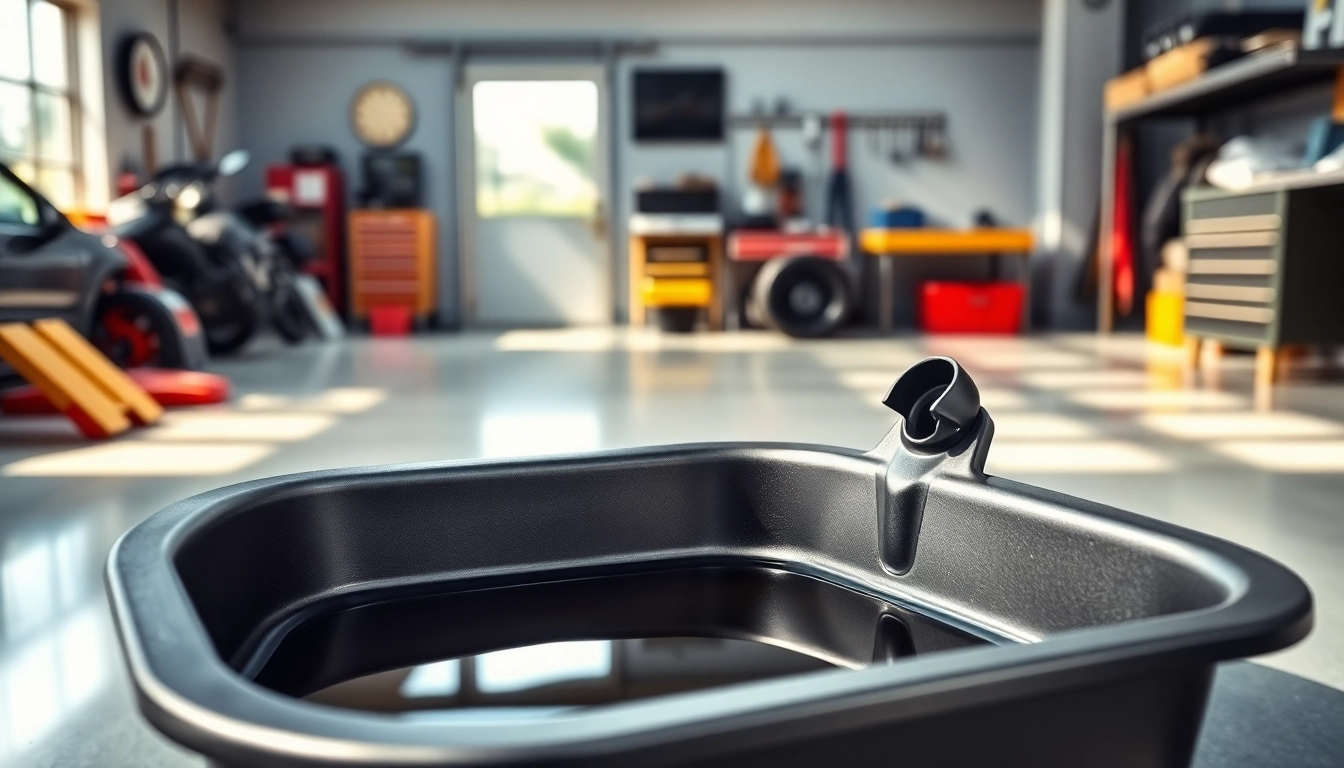
The primary function of an oil drain pan is to gather used motor oil during an oil change. This equipment is specifically designed to catch oil leaking from the engine, preventing spills that can lead to environmental hazards and make cleanup tedious. Well-crafted oil drain pans feature a low profile and a wide base, which allows them to easily fit beneath the vehicle’s oil drain plug, capturing the oil as it flows out.
Common Types of Oil Drain Pans
- Plastic Drain Pans: Lightweight and corrosion-resistant, these are perfect for home use but may not withstand high-temperature liquids over extended periods.
- Metal Drain Pans: More durable than their plastic counterparts, metal pans are ideal for professional mechanics who deal with hot oil regularly. They are less likely to crack or melt.
- Electric Oil Drain Pans: These pans come with built-in pumps that facilitate the easy removal of oil disposal, making them suitable for more extensive services or commercial environments.
- Expandable Pans: Some oil drain pans are designed to expand or include different chambers for collecting various fluids, enhancing versatility.
- Pans with Built-in Spouts: These designs allow for easier pouring or disposal of collected oil, providing a more efficient clean-up process.
Situations Where an Oil Drain Pan is Essential
Whether you are a DIY enthusiast or a professional, an oil drain pan is essential in numerous scenarios:
- Performing regular oil changes on personal vehicles.
- Flushing and replacing transmission fluid.
- Draining coolant during vehicle maintenance.
- Collecting fluids from heavy-duty equipment repairs.
- Conducting regular check-ups or repairs involving oil systems.
Key Features to Look for in an Oil Drain Pan
Capacity and Size Considerations
When selecting an oil drain pan, capacity is a crucial factor. Most standard oil drain pans can hold between 5 to 20 quarts of oil. For home mechanics, a pan with a capacity of around 5 to 8 quarts may suffice, while professional environments may require pans that hold larger quantities. It’s also vital to ensure the size of the pan fits comfortably under your vehicle while allowing adequate space for maneuvering while you change the oil.
Material and Durability Aspects
The construction material of the oil drain pan impacts its durability and usability. Plastic pans, while affordable and lightweight, may not withstand high temperatures or rigorous use. Metal pans, particularly those made from aluminum or stainless steel, offer superior durability and resistance to damage, making them ideal for those who regularly change oil or work with hot fluids.
Ease of Use and Maintenance
Features such as built-in spouts, handles for easy pouring, and wide gripping edges can enhance the usability of an oil drain pan. Furthermore, selecting a pan that is easy to clean and store is crucial for maintaining a tidy workspace. Considering the maintenance aspect can also influence the longevity and performance of the pan.
Best Practices for Using an Oil Drain Pan
Preparation Before Using the Oil Drain Pan
Before starting the oil change process, preparation is key. Ensure you have the following:
- The appropriate size and type of the oil drain pan based on your vehicle.
- Hand tools required for the oil change.
- Gloves and protective eyewear to safeguard against spills.
- Access to a proper disposal method for used oil, such as local recycling facilities.
Proper Disposal of Collected Oil
Disposing of used oil correctly is vital for environmental responsibility. Never dispose of oil down drains or in regular garbage, as it can cause significant damage to waterways and local ecosystems. Instead, check local regulations for disposal sites or services that recycle motor oil. Many auto parts stores offer free disposal services, making it convenient for vehicle owners.
Cleaning and Storing the Oil Drain Pan
After use, clean your oil drain pan thoroughly to prevent oil residue that can attract dust and gunk. For plastic pans, a mild detergent and hot water may suffice, while metal pans may require solvents for tougher cleanup. Ensure the pan is completely dry before storage to avoid rust build-up, especially in metal models.

Comparing Different Brands of Oil Drain Pans
Price vs. Quality Analysis
When it comes to purchasing an oil drain pan, balancing price and quality is essential. While cheaper options may save upfront costs, investing in a higher-quality pan often pays off over time due to enhanced durability and functionality. Look for features that align with your specific needs and frequency of use.
Brand Reputation and User Reviews
Before purchasing an oil drain pan, consider researching user reviews and brand reputation. Feedback from other users provides insights into the product’s performance, durability, and the manufacturer’s customer service. Look for products with high ratings and positive testimonials that emphasize quality and usability.
Where to Buy the Best Oil Drain Pan
Oil drain pans are available through various retailers, both online and in physical stores. Compare prices, features, and customer reviews across several platforms to find the best deal. Specialty auto parts stores often provide a curated selection, while large retailers may offer competitive pricing on bulk items.
Frequently Asked Questions About Oil Drain Pans
What is an oil drain pan used for?
An oil drain pan is used to collect used motor oil during an oil change. It helps prevent spills and provides a secure area for fluid collection.
How do I choose the right oil drain pan?
Choose an oil drain pan based on your vehicle’s oil capacity, the material’s durability, and any features that enhance usability, such as a spout or handle.
Can I use an oil drain pan for other fluids?
Yes, oil drain pans can often be used for other automotive fluids like transmission fluid or coolant, but ensure the material can handle different chemical compositions.
How do I clean and maintain my oil drain pan?
Clean your oil drain pan with mild soap and water after each use. Ensure it is completely dry before storage to prevent rust or residue build-up.
Are there environmentally friendly oil drain pans?
Yes, some manufacturers produce oil drain pans using recycled materials or designs that minimize waste. Look for these eco-friendly options when purchasing.