Transform Your Home with Beautiful LVP Floor: A Comprehensive Guide
Understanding LVP Floor
What is LVP Floor?
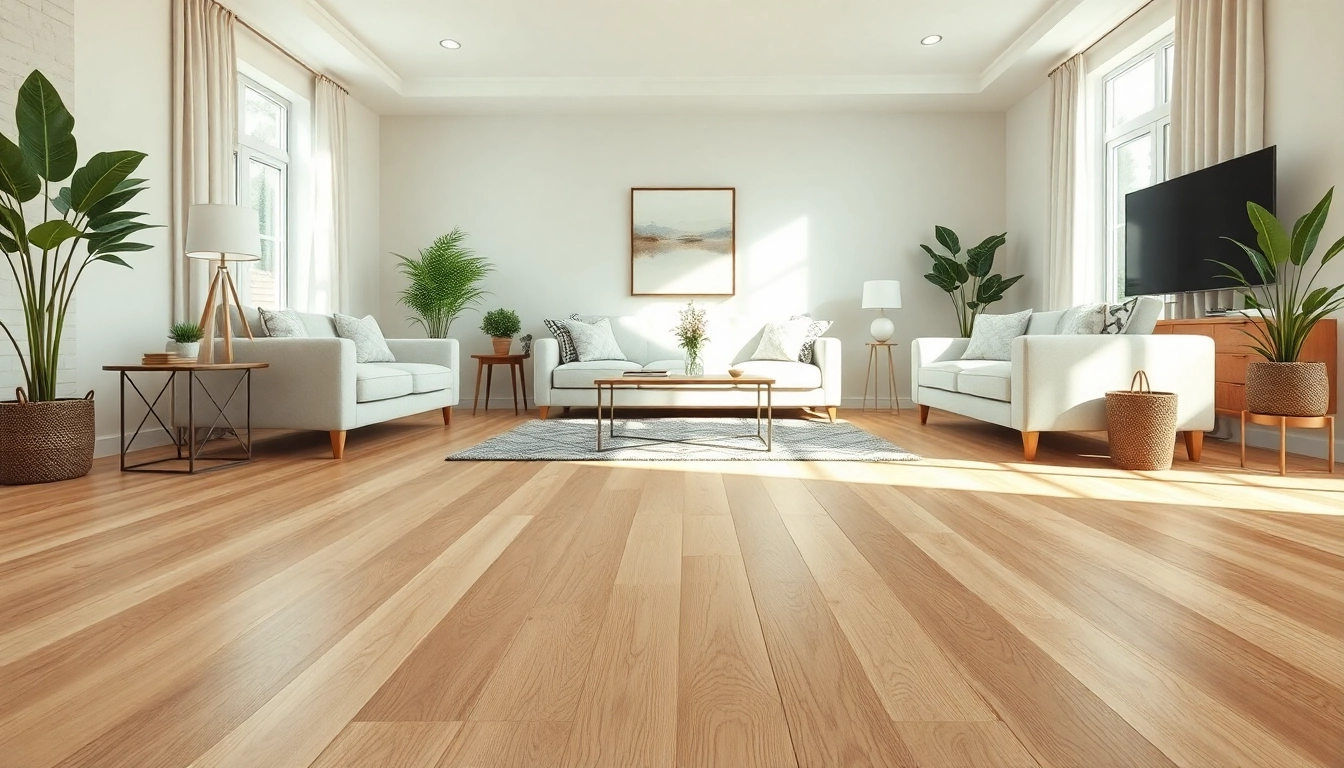
Luxury Vinyl Plank (LVP) flooring is an innovative, cost-effective alternative to traditional hardwood floors. Constructed through advanced manufacturing techniques, LVP mimics the appearance of natural wood while providing superior durability and water resistance. Its construction typically consists of multiple layers, including a wear layer, design layer, core layer, and backing, making it suitable for a variety of environments from residential to commercial spaces. With options available in numerous wood designs and colors, lvp floor offers a realistic aesthetic at a fraction of the cost of real wood.
The Benefits of LVP Floor
LVP flooring comes with a multitude of benefits that make it an attractive choice for homeowners and business owners alike. Here are some key advantages:
- Durability: LVP is designed to withstand heavy foot traffic and has excellent resistance to scratches, dents, and stains.
- Water Resistance: Many LVP options are waterproof, making them an excellent choice for humid environments, such as bathrooms and kitchens.
- Easy Installation: Most LVP products feature a click-lock installation system, allowing for a DIY approach without the need for professional help.
- Comfort and Insulation: The composition of LVP provides a softer surface compared to tile or stone, which can be more comfortable underfoot and retains warmth better in colder climates.
- Cost-Effective: Compared to hardwood, LVP flooring is typically more affordable while offering similar aesthetics.
Applications of LVP Floor
LVP flooring is versatile and can be used in various settings. Some common applications include:
- Residential Spaces: Living rooms, bedrooms, and home offices benefit from LVP’s aesthetic appeal and durability.
- Commercial Spaces: Retail stores, restaurants, and offices often choose LVP for its durable surface that can handle high traffic.
- Wet Areas: Its waterproof nature makes LVP suitable for bathrooms, kitchens, and laundry rooms.
- Basements: LVP is an excellent option for basements as it is moisture-resistant and can help alleviate concerns regarding dampness.
Choosing the Right LVP Floor
Factors to Consider Before Buying LVP Floor
When considering LVP flooring, it is essential to evaluate several factors to ensure you choose the right product for your needs:
- Thickness: Choose a thickness that suits your space. Thicker planks provide better sound insulation and comfort.
- Wear Layer: The wear layer thickness (typically between 6 mil to 30 mil) determines the durability of the flooring. Heavy traffic areas require a thicker wear layer.
- Design and Texture: Select designs and finishes that match your style vision. LVP mimics a range of wood species and grain patterns.
- Installation Type: Consider whether you prefer glue-down, click-lock, or loose lay options based on your skills and needs.
- Warranty: A longer warranty can signify a higher quality product, so be sure to check the terms and conditions.
Popular Styles and Designs of LVP Floor
LVP flooring comes in various styles and designs, allowing for a customized aesthetic. Some popular options include:
- Natural Wood Looks: Planks that replicate the grain and textures of oak, maple, cherry, and more.
- Distressed Finishes: Designs that offer a rustic or weathered look, ideal for farmhouse styles.
- Contemporary Designs: Sleek, modern patterns that fit well in minimalistic and chic interiors.
- Plank Sizes: Choose from wide planks for a bold statement or narrow planks for a traditional look.
How to Compare LVP Floor Options
When comparing different LVP flooring options, consider the following:
- Pricing: Compare per square foot costs to ensure your budget aligns with your preferred options.
- Sample Usage: Order samples to see how the flooring looks in your actual space under different lighting conditions.
- Reviews and Ratings: Research user reviews and professional ratings to gauge the quality and performance of different brands.
- Features: Compare water resistance, sound absorption, and durability features.
Installation of LVP Floor
Preparing for Installation of LVP Floor
Before beginning the installation of LVP flooring, proper preparations are crucial for a successful outcome:
- Acclimate the Material: Allow the planks to acclimate to your home’s temperature and humidity for at least 48 hours before installation.
- Prepare the Subfloor: Ensure the subfloor is clean, dry, and level. Repair any imperfections or use an underlayment if necessary.
- Gather Tools: Gather required tools, which may include a utility knife, measuring tape, square, spacers, and a tapping block.
Step-by-Step Installation Guide for LVP Floor
Follow these steps for the installation of your LVP floor:
- Measure Your Space: Measure the room to determine how much flooring you will need.
- Lay Out the Design: Plan the layout of the planks, deciding whether to install them parallel or at an angle.
- Start from One Corner: Begin laying the planks from one corner, using spacers to maintain a gap between the planks and the walls.
- Click and Lock: Fit the planks together using the click-lock mechanism, tapping gently to secure them.
- Trim as Needed: Use a utility knife to trim planks at the edges for a proper fit.
- Finish the Installation: After completing the installation, remove spacers and install baseboards to cover the expansion gaps.
Common Mistakes to Avoid When Installing LVP Floor
To ensure a smooth installation process, avoid these common mistakes:
- Skipping Acclimation: Failing to acclimate the planks can lead to expansion or contraction post-installation.
- Inadequate Subfloor Preparation: Not properly preparing the subfloor could result in an uneven surface and future problems.
- Incorrect Installation Direction: Make sure the planks are laid in the desired direction to maintain consistency and aesthetic appeal.
- Ignoring Manufacturer’s Instructions: Always follow the specific guidelines provided by the manufacturer for the best results.
Maintenance of LVP Floor
Cleaning and Caring for LVP Floor
Maintaining the appearance and integrity of your LVP flooring requires regular cleaning:
- Daily Cleaning: Sweep or vacuum the floor daily to remove dirt and debris that can scratch the surface.
- Wet Mopping: Use a damp mop with a pH-neutral cleaner to clean up spills or stains. Avoid harsh chemicals to maintain the finish.
- Protective Measures: Use furniture pads under heavy furniture to avoid scratching and prevent indentations.
How to Repair Damaged LVP Floor
If damage occurs, it’s important to address it swiftly:
- Minor Scratches: Use a vinyl repair kit to fill in scratches and restore the planks.
- Replacing Damaged Planks: If a plank is severely damaged, remove it and replace it with a new plank using the click-lock system.
- Cleansing Stubborn Stains: Use vinegar and water solution for tough stains while ensuring compatibility with LVP.
Extending the Lifespan of Your LVP Floor
To maximize the longevity of your LVP flooring, consider these tips:
- Regular Maintenance: Set a cleaning schedule to maintain the floor’s appearance and prevent buildup.
- Avoid Excessive Moisture: While LVP is water-resistant, excessive moisture can still damage the flooring over time.
- Temperature Control: Keep humidity and temperature stable in the home to prevent expansion and contraction issues.
FAQs About LVP Floor
Is LVP Floor waterproof?
Yes, many LVP floors are waterproof, making them ideal for kitchens and bathrooms.
How do I clean my LVP Floor?
Use a damp mop and mild cleaner; avoid harsh chemicals to maintain the floor’s finish.
Can LVP Floor be installed over existing flooring?
Yes, LVP can often be installed over existing flooring, but ensure it’s smooth and level.
How long does LVP Floor last?
With proper care, LVP floors can last 15-25 years, depending on the quality.
Is LVP Floor environmentally friendly?
Some LVP flooring options are made from recycled materials and are low in VOCs.